Insurance Agent Lead Generation: How to Get More High-Quality Leads
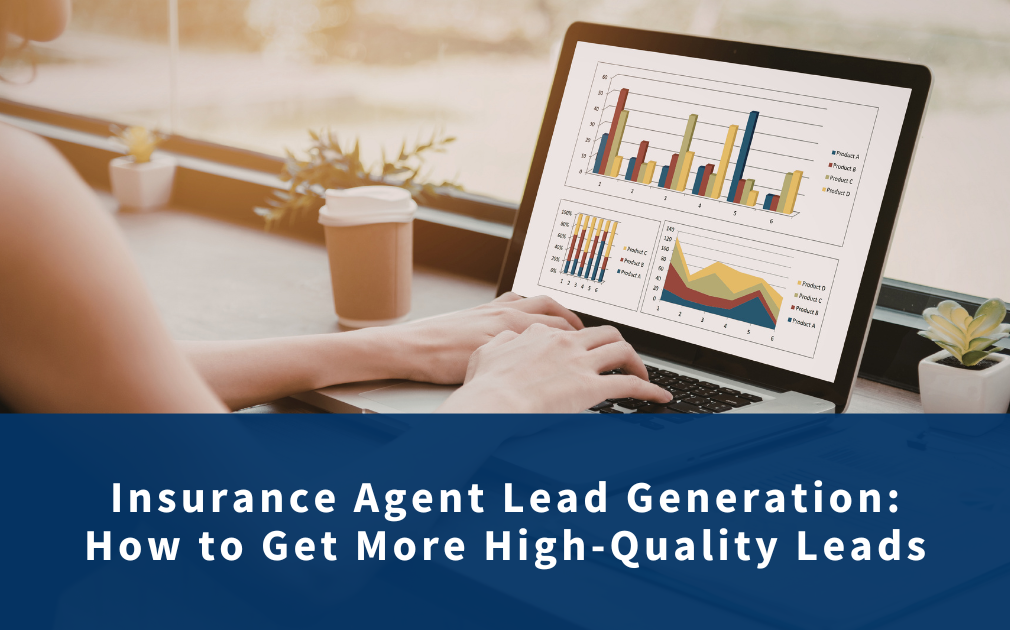
Insurance Agent Lead Generation: How to Get More High-Quality Leads
Every successful insurance agent knows that leads fuel your business. Without a steady stream of qualified prospects, even the most professional sales skills won’t matter. But here’s the challenge: not all leads deliver the same value. Some convert into loyal clients, while others waste your time and resources.
That’s where effective insurance agent lead generation strategies make all the difference. At Premier Insurance Partners (PIP), we’ve helped thousands of agents build sustainable lead generation systems that work. With decades of combined experience and a track record of success, we understand what agents need to thrive in today’s competitive market. This guide will show you exactly how to attract, convert, and retain high-quality insurance leads that grow your business for the long term.
Digital Marketing for Insurance Agents
Digital marketing opens doors to thousands of potential clients who actively search for insurance solutions online. When you invest in the right digital channels, you position yourself exactly where your prospects look for help.
Search Engine Optimization (SEO)
Search engine optimization helps your agency appear at the top of Google when people search for insurance in your area. You don’t need to be a tech wizard to make this work. Start by creating helpful content that answers your prospects’ questions about insurance. Write blog posts about common concerns like “how much life insurance do I need?” or “when can I enroll in Medicare?”
Focus on local keywords too. When someone searches “insurance agent near me” or “insurance agency in [your city],” you want your name to show up. Claim your Google Business Profile, gather client reviews, and make sure your website includes your service areas and contact information. SEO takes time, but once you rank, you’ll generate consistent leads without paying for each click.
Paid Search and Social Advertising
While SEO builds your long-term presence, paid advertising delivers immediate results. Google Ads puts your agency in front of people actively searching for insurance right now. You set your budget, choose your keywords, and only pay when someone clicks your ad.
Social media advertising on Facebook and Instagram lets you target specific demographics. You can reach families in certain zip codes, new parents who need life insurance, or retirees looking for insurance guidance. Start small, test different messages, and scale what works. Track your cost per lead carefully; you want to know exactly what you pay for each new prospect.
Referral-Based Lead Generation
Your current clients know people who need insurance. Referral-based insurance agent lead generation turns satisfied customers into your marketing team.
Client Referral Programs
Happy clients willingly recommend you if you make it easy. Create a simple referral program that rewards clients who send business your way. This could be a gift card, event tickets, or even a donation to their favorite charity.
Timing matters. Ask for referrals right after you’ve delivered exceptional service: when you’ve saved them money, quickly processed a claim, or helped them understand their coverage. Make the ask specific: “Do you know anyone who’s just moved and may need new coverage?” This gives them a clear person to think of.
Professional Referral Partnerships
Other professionals in your community serve the same clients you want to reach. Build relationships with these professionals. Offer to refer your clients to them, and they’ll return the favor. Attend local business networking events, join your chamber of commerce, and look for genuine ways to help other professionals succeed. Referral partnerships develop naturally when both parties deliver real value.
Content Marketing Strategies
Content marketing positions you as the trusted agent in your market. When you consistently share valuable information, prospects come to you.
Educational Blog Content
Write blog posts that educate your audience about insurance topics they care about. Thos approaching Medicare will need help with understanding their options. Parents search for information about life insurance.
Use your blog to answer real questions you hear from clients and prospects. Create how-to guides, comparison articles, and explanations of complex insurance concepts in simple terms. Every piece of content you publish gives Google another opportunity to show your site to searchers. It also demonstrates your knowledge and builds trust with potential clients before they ever contact you.
Email Marketing Campaigns
Email marketing keeps you connected with leads who aren’t ready to buy yet. Many people research insurance months before making a purchase. Regular emails keep your name top-of-mind throughout their decision process.
Send valuable content, not just sales pitches. Share insurance tips, coverage reminders, and updates about important changes in insurance regulations. Segment your email list by insurance type or stage in the buying process. Someone who just requested a quote needs different information than someone who downloaded your life insurance guide six months ago.
Lead Nurturing and Automation
Most leads don’t convert immediately. Lead nurturing and automation help you stay connected with prospects until they’re ready to buy.
CRM and Email Automation
A customer relationship management (CRM) system tracks every interaction with your leads and clients. You’ll know exactly when someone downloaded your guide, opened your email, or visited your website. This information helps you follow up at the right time with the right message.
Email automation takes the manual work out of staying in touch. Set up automated sequences that send educational content to new leads over several weeks. Create birthday emails, policy renewal reminders, and seasonal insurance tips that send automatically. This keeps you visible without requiring hours of daily work.
Follow-Up Best Practices
Speed matters in insurance agent lead generation. When someone requests a quote, contact them as soon as possible, definitely within the same day. The first agent to respond often wins the business.
Follow up consistently but not annoyingly. After your first contact, touch base every few days by phone, email, or text (based on their preference). If they’re not ready to buy, schedule a specific follow-up date and honor it. Many leads convert on the fourth, fifth, or sixth contact, but most agents give up after two attempts.
Local and Community Marketing
Your local community offers rich opportunities for insurance agent lead generation. People prefer to work with agents they know and trust in their own neighborhoods.
Local SEO and Google Business Profile
Make your Google Business Profile work hard for you. Add photos of your office and team, post regular updates about insurance topics, and encourage satisfied clients to leave Google reviews. Reviews improve your ranking and convince prospects to choose you. Make it easy by sending a direct link to your review page.
Community Events and Sponsorships
Host educational workshops on insurance topics. Offer a free seminar on “Understanding Life Insurance” at the local library or “Insurance Tips for Retirees” at a restaurant. These events position you as a trusted source while generating qualified leads.
Get involved in your community. Sponsor a local little league team, set up a booth at the farmers market, or volunteer at community events. This creates name recognition and shows you care about more than just making sales.
Buying vs. Generating Leads
You can buy leads from lead generation companies or create your own. Each approach has advantages and challenges.
Pros and Cons of Purchased Leads
Purchased leads give you immediate prospects without building your own marketing system. Lead companies sell you contact information for people who expressed interest in insurance. This can help new agents get started quickly or supplement your pipeline during slow months.
However, purchased leads come with challenges. You often compete with multiple other agents who bought the same lead. The quality varies widely; some leads are genuine prospects while others barely remember submitting their information. Purchased leads also cost money for every contact, which adds up quickly.
Long-Term Value of Organic Lead Generation
Organic insurance agent lead generation strategies like SEO, content marketing, and referrals cost more upfront in time and effort but deliver better long-term results. These leads contact you directly because they found your content helpful or a trusted source recommended you. They’re warmer, more qualified, and convert at higher rates.
The most effective approach combines both strategies. Use purchased leads for immediate revenue while building your organic lead generation system for sustainable growth. Over time, shift your focus toward organic strategies that keep paying dividends without ongoing lead costs.
Frequently Asked Questions about Insurance Agent Lead Generation
What is insurance agent lead generation?
Insurance agent lead generation is the process of attracting and converting potential customers into qualified insurance leads.
What is the most effective insurance agent lead generation strategy?
The most effective insurance agent lead generation strategy combines SEO, referrals, and consistent follow-up. No single tactic works perfectly for every agent. The most successful agents use multiple strategies that work together.
Are paid leads effective for insurance agents?
Paid leads can support insurance agent lead generation, but organic strategies often deliver higher long-term ROI. Purchased leads provide quick access to prospects but require ongoing costs and face competition from other agents.
How long does insurance agent lead generation take to work?
Insurance agent lead generation through digital marketing typically shows results within 3 to 6 months. SEO and content marketing require patience as you build your online presence. However, strategies like paid advertising and networking can generate leads immediately. The key is starting now and staying consistent.
Why is lead nurturing important for insurance agents?
Lead nurturing helps insurance agent lead generation by building trust and improving conversion rates.
Final Thoughts
Insurance agent lead generation doesn’t happen by accident. It requires a strategic approach that combines multiple tactics working together. The most important step is simply to begin. Choose one or two strategies from this guide and implement them consistently. Track your results, adjust your approach, and add new tactics as you master the basics. Remember that insurance agent lead generation is a marathon, not a sprint. The systems you build today will generate leads for years to come.
Ready to take your lead generation to the next level? Contact Premier Insurance Partners today for the tools, training, and support you need to grow your agency.